
Why Tomorrow’s Dream Homes Won’t Be Built Brick by Brick
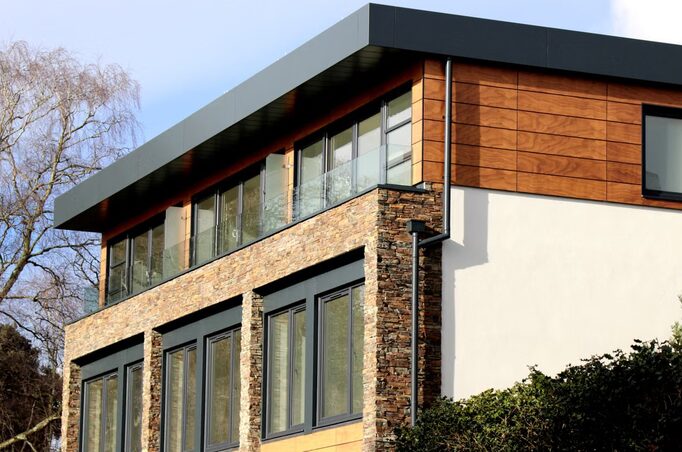
For generations, building a dream home meant watching walls rise slowly as bricks, timber, and concrete were assembled piece by piece. Today, advances in engineering and design are changing that traditional vision. Tomorrow’s homes will increasingly be created through precision manufacturing, digital planning, and advanced prefabrication methods. This transformation promises faster construction, improved sustainability, and homes that are better aligned with modern lifestyles.
Prefabrication Is Redefining the Building Process
The future of residential construction is moving toward smarter, factory-based production. Instead of relying entirely on weather-dependent building sites, many homes will be manufactured in controlled environments where components can be created with exceptional accuracy. Modern prefabricated construction allows builders to reduce waste, improve quality control, and deliver highly customized designs. Information about this evolving approach can be explored if you click https://www.bauprofessor.de/fertighausbau/#anchorWerbl_1e348e4d-c724-4cad-a1d3-b840b27aa3a0 as it highlights key aspects of prefabricated home construction.
Sustainability Will Drive the Homes of the Future
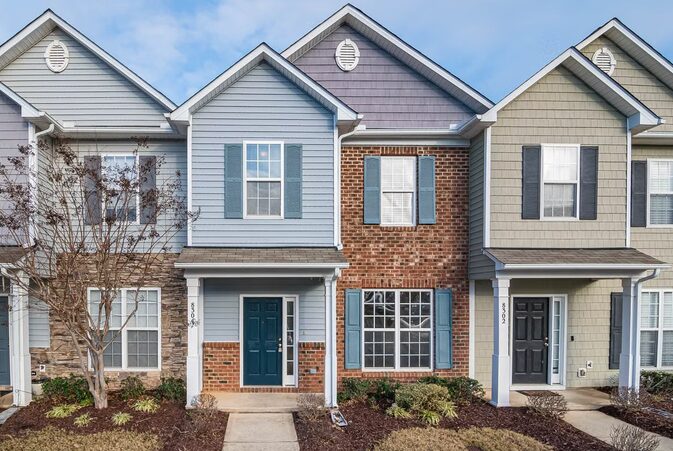
Environmental responsibility is becoming one of the most important factors in modern homebuilding. Future construction methods will focus on reducing material waste, improving energy efficiency, and using resources more responsibly. Factory-built homes can support these goals by enabling precise material calculations and minimizing waste. Combined with renewable energy systems and sustainable materials, these approaches will help create homes with a smaller environmental footprint.
Technology Will Create More Intelligent Homes
Tomorrow’s dream homes will not only be built differently; they will also function differently. Smart technologies are becoming a central part of residential design, allowing homeowners to manage energy use, security, lighting, and comfort through connected systems. Digital modeling tools also enable architects and engineers to test designs before construction begins, reducing errors and creating more efficient spaces. As technology continues to advance, homes will become increasingly responsive to the needs of their occupants.
Customization Will Replace the Idea of One-Size-Fits-All Housing
A common misconception about prefabricated homes is that they limit creativity. In reality, modern manufacturing techniques allow homeowners to personalize layouts, finishes, and features while maintaining the efficiency of factory production. Designers can use digital tools to create unique living spaces that reflect individual preferences. The result is a new generation of homes that combine personal expression with streamlined construction methods.
Faster Construction Without Sacrificing Quality
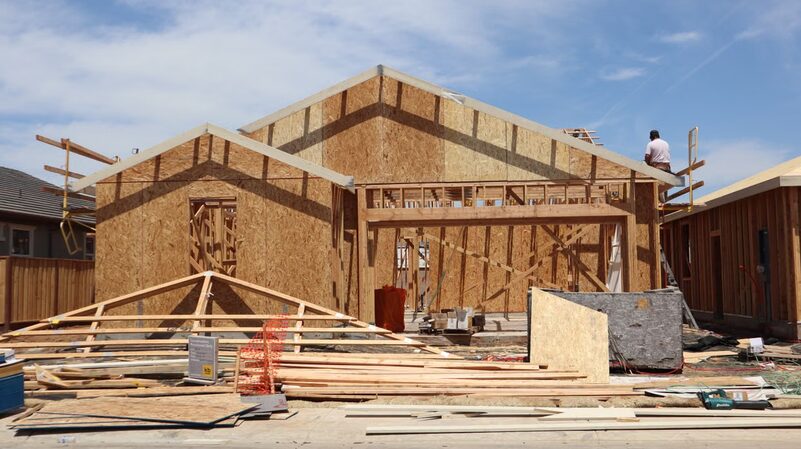
Time is becoming an increasingly valuable factor in the housing market. Traditional construction can face delays caused by weather, labor shortages, and supply chain challenges. Advanced building systems offer a more predictable timeline by completing many processes away from the construction site. This approach does not mean compromising quality; instead, it creates opportunities for stronger inspections, consistent craftsmanship, and improved project management.
The Future of Dream Homes Is Built on Innovation
The idea of a dream home is evolving from a structure made entirely by hand into a carefully engineered environment designed for comfort, efficiency, and sustainability. While traditional craftsmanship will always have value, emerging construction methods are opening new possibilities for how people imagine and create their living spaces. The homes of tomorrow will reflect a balance between technology, environmental awareness, and personal design.
Tomorrow’s dream homes will not simply be defined by the materials used to construct them. They will be shaped by innovation, smarter processes, and a commitment to creating better places to live. As prefabrication, automation, and sustainable design continue to develop, the future of homebuilding will move beyond brick-by-brick construction toward a more efficient and imaginative approach.