How to Reduce the Challenges of Relocating to a New Neighborhood
Relocating to a new neighborhood can be both exciting and challenging, as it involves adjusting to unfamiliar surroundings while managing the many tasks associated with a move. Taking a structured approach and seeking reliable support can help reduce stress and make the transition much smoother. Coulsdon moving vans can assist with the logistics of safely and efficiently transporting household items, allowing homeowners and renters to focus on settling into their new environment. This article explores practical ways to reduce the challenges of relocating to a new neighborhood and enjoy a smoother moving experience.
Research the Neighborhood Before Moving
One of the most effective ways to reduce relocation challenges is to learn as much as possible about the neighborhood before moving in. Researching local amenities, schools, healthcare facilities, shopping centers, and transportation networks helps create realistic expectations. Understanding the area’s safety, traffic patterns, and community atmosphere can also help prevent surprises after arrival. The more familiar you become with your future neighborhood, the easier it will be to adapt once you move in. Gathering information in advance allows you to make informed decisions and prepare for your new environment more effectively.
Plan the Move Carefully
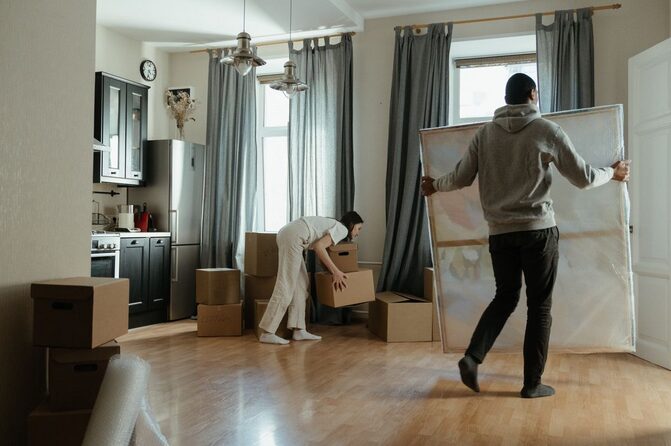
A well-organized move can significantly reduce stress and disruption. Creating a moving timeline, arranging transportation, and packing systematically help ensure that important tasks are completed on schedule. Labeling boxes clearly and keeping essential items accessible can make unpacking much easier. It is also helpful to notify utility providers, update addresses, and transfer necessary services before moving day. Careful planning minimizes unexpected complications and lets you focus on adjusting to the neighborhood rather than dealing with avoidable logistical problems.
Get Involved in the Community
Building connections within the community can make a new neighborhood feel welcoming much faster. Introducing yourself to neighbors, attending local events, and participating in community activities provide opportunities to meet people and learn about the area. These interactions can help create a support network and make it easier to access local knowledge and recommendations. Developing relationships with nearby residents often leads to a stronger sense of belonging and helps reduce feelings of isolation that sometimes accompany relocation.
Establish New Routines Quickly
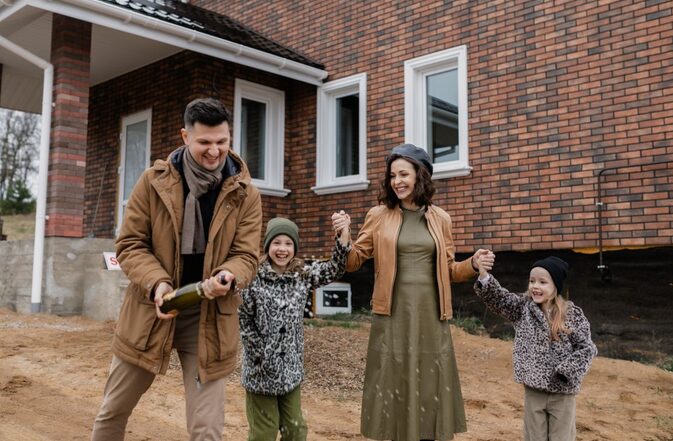
Relocation often disrupts daily habits and schedules. Establishing new routines as soon as possible can create a sense of stability during the adjustment period. Finding regular grocery stores, exercise facilities, restaurants, and recreational spaces helps make the neighborhood feel more familiar. Consistent routines also reduce stress by creating structure and predictability. As daily activities become integrated into the new environment, confidence and comfort naturally increase, making the transition smoother for both individuals and families.
Remain Patient During the Adjustment Process
Even with thorough preparation, adapting to a new neighborhood takes time. It is important to remain patient and recognize that familiarity develops gradually. There may be moments of uncertainty or frustration as you learn new routes, meet new people, and adjust to different surroundings. Viewing the transition as a process rather than expecting immediate comfort can help manage expectations. Over time, regular experiences and positive interactions will contribute to a stronger connection with the neighborhood and a greater sense of home.
Relocating to a new neighborhood presents challenges, but many of these difficulties can be reduced through preparation, community involvement, and a positive mindset. Researching the area, carefully planning the move, building local connections, and establishing routines all contribute to a smoother transition. While adjustment takes time, proactive efforts can make the experience less stressful and more rewarding. By approaching relocation thoughtfully, individuals and families can settle into their new neighborhood with confidence and enjoy the opportunities that come with a fresh start.
…
Read More →